Notice the detail
Recognise the moments when you begin to rush.
Six gentle lessons to help you notice your pace, create a little breathing room and bring more attention to the life you already have. Learn through short readings, everyday experiments and your own discoveries.
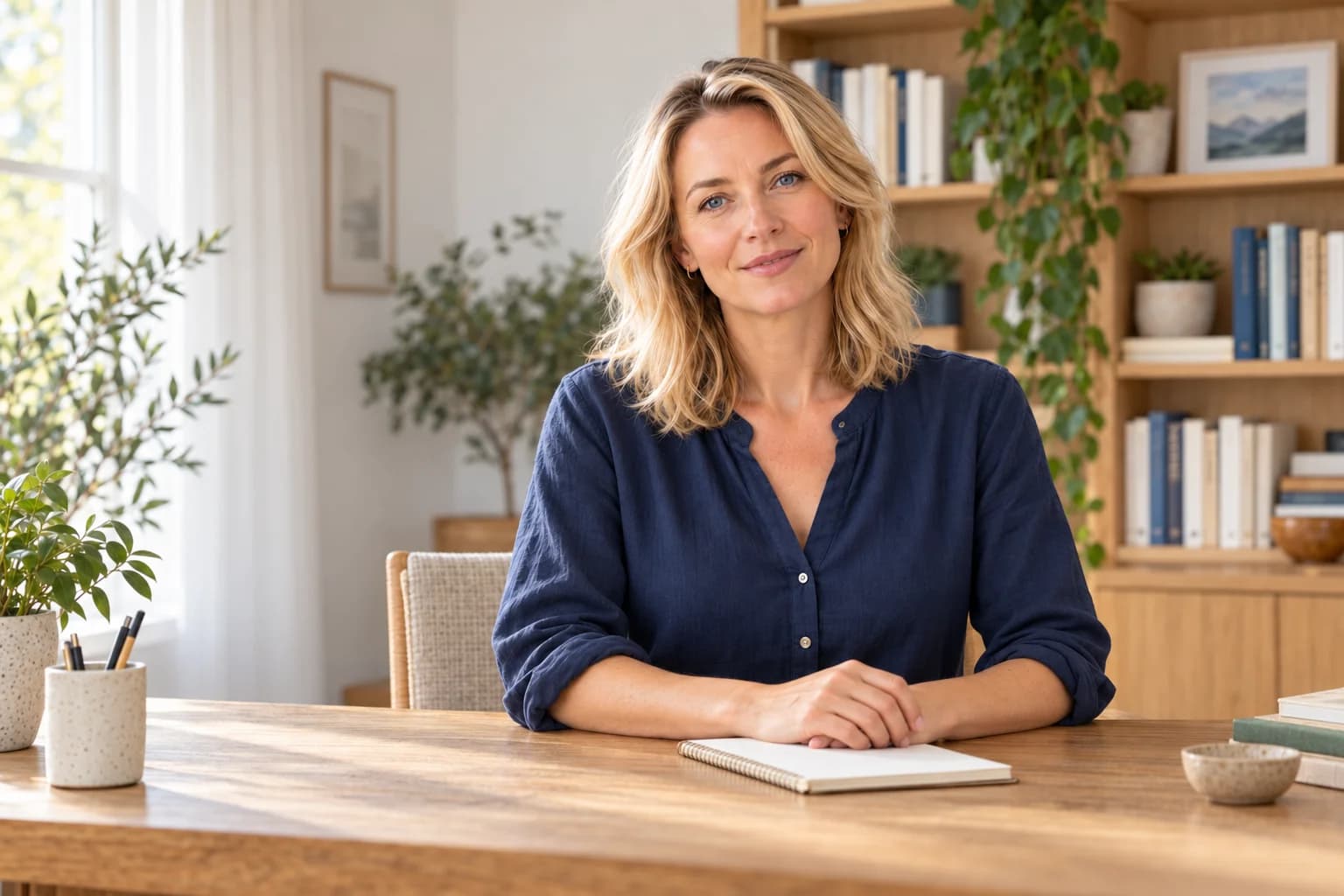
You do not need previous experience. Each lesson offers a clear idea, an exploration and a question to take into your day. Here is what you will begin to discover.
Recognise the moments when you begin to rush.
Explore simple pauses without forcing yourself to feel calm.
Choose a small practice that fits your everyday life.
Each lesson brings together an explanation, a practical exploration and a question to reflect on. Work through them in order or return to a familiar practice.
We often meet a busy moment by trying harder. Before changing anything, try noticing what is already here. Where is your attention? What can you hear? What is supporting your body? There is no correct feeling to produce. Paying attention begins with an honest description of this moment.
The explorationSet down what you are holding. Notice three things you can see and the contact between your feet and the floor. Let your breathing find its own rhythm. Stay for a few comfortable moments, then return to your day.
A question to take with youWhat did you notice when you stopped trying to make the moment different?
Explore this sample lessonYour pace changes through the day. A rushed morning and a quiet evening can invite different habits. Rather than judging the speed, notice when it changes and what happens just before it does. That information gives you more choice.
The explorationChoose one ordinary transition: opening your laptop, making tea or arriving home. Before beginning the next activity, notice your pace and name it to yourself in a few words.
A question to take with youWhich transition would benefit from a little more time?
A pause does not have to be long or impressive. It can be the space between reading a message and replying, or the moment you look away from a screen. Start with something small enough to repeat comfortably.
The explorationChoose one cue that already happens every day. When it appears, pause for one comfortable breath or look around the room before continuing. Avoid turning the pause into another task to get right.
A question to take with youWhat makes a pause feel welcoming rather than like an obligation?
You do not need a special setting to explore attention. Ordinary tasks offer texture, sound and movement. Returning to those details can make a familiar activity feel a little less automatic.
The explorationMake a drink without doing anything else at the same time. Notice the weight of the cup, the sound of water and the movement of your hands. When your attention wanders, simply return to one detail.
A question to take with youWhich ordinary detail surprised you?
Some days offer very little room. A useful practice needs to fit those days too. You can shorten an exploration, change it or leave it for later. Consistency is not the same as doing exactly the same thing every time.
The explorationThink of a busy day coming up. Choose the smallest version of a pause that might be possible. Write down one supportive reminder and one reason you might decide to skip it.
A question to take with youHow could you make your practice kinder and more realistic?
Look back at what you actually discovered, rather than what you hoped you would discover. A small change you recognise is a useful place to begin. Let your next step grow from that experience.
The explorationChoose one exploration to continue for a week. Decide when you will try it and when you will review how it feels. Keep the plan simple enough to change.
A question to take with youWhat would you like to carry with you from this course?
Step inside the first lesson. See the teaching, reading and practice together, with optional notes, questions, messaging and translation shown in context.
Your choice of course languages · Optional paid extra. English and German illustrate this feature; your website can offer the languages you and your learners need.
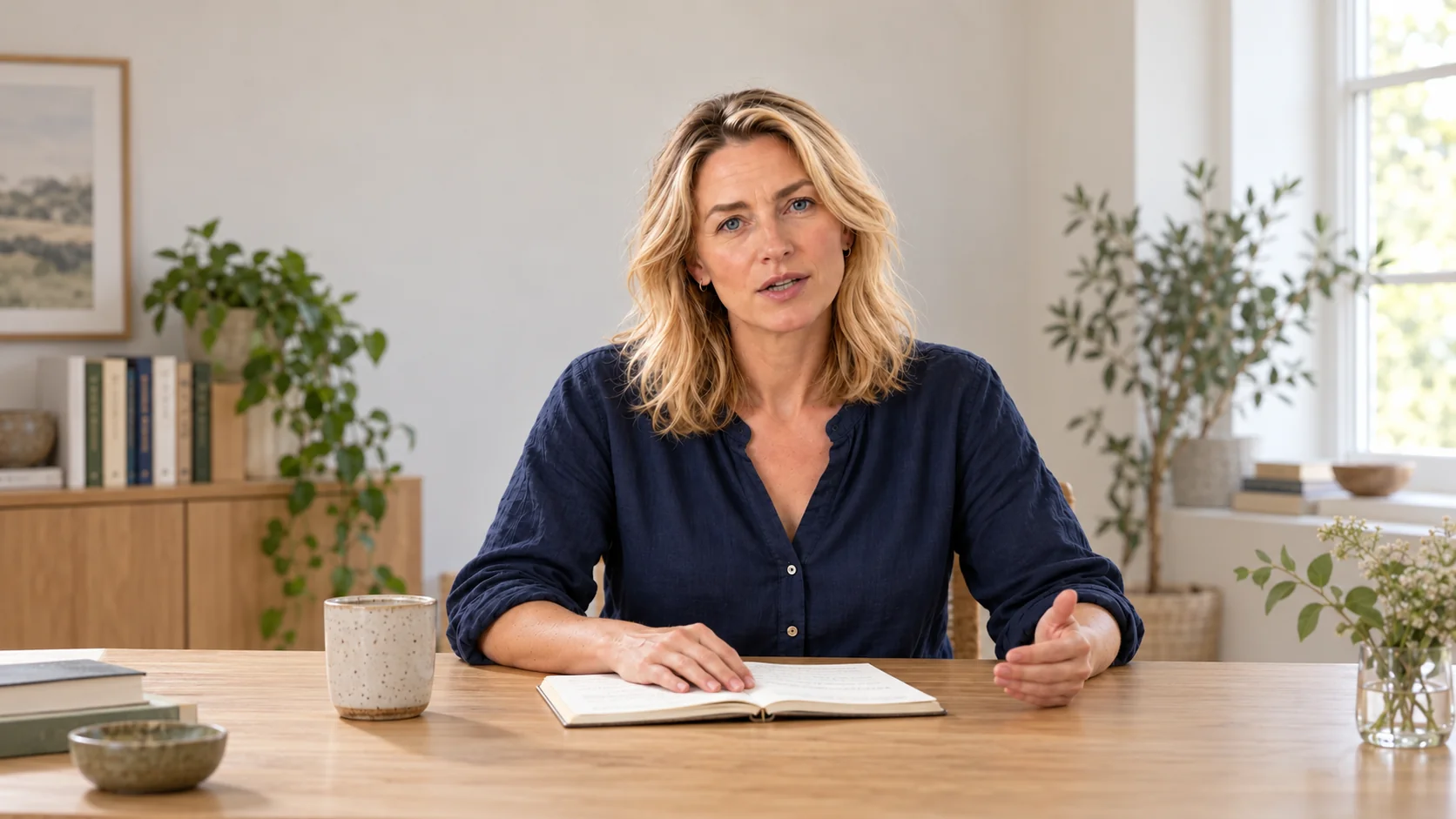
Begin with the reading and exploration below. Give yourself time to pause, return and make the practice your own.
We often meet a busy moment by trying harder. Before changing anything, try noticing what is already here. Where is your attention? What can you hear? What is supporting your body? There is no correct feeling to produce. Paying attention begins with an honest description of this moment.
Set down what you are holding. Notice three things you can see and the contact between your feet and the floor. Let your breathing find its own rhythm. Stay for a few comfortable moments, then return to your day.
What did you notice when you stopped trying to make the moment different?
A place for your discoveries, questions and words you want to return to.
This example keeps notes in this browser tab only. They disappear when the tab is closed. Please use sample text.
Explore what stayed with you. Single-choice, multiple-choice and true/false questions are marked automatically, with immediate results. Your teacher does not need to mark them by hand.
Short and long written answers need teacher review, rather than automatic marking. Teacher feedback can be included in the agreed course service. These example reflections stay on this page.
Keep a question and its reply beside the lesson that prompted it. Message translation can be set up in your chosen languages; German is shown here as one example.
Find a comfortable place and a few unhurried minutes. You can read on your phone, tablet or computer. A notebook can help you carry an idea into the day.
Choose a rhythm that fits your life. You have twelve months to return to the lessons. Your learning space keeps the course and your progress together.
Ask about the course
I’m interested in the small moments we usually hurry past: the way we arrive at a desk, listen to someone we love, or notice that we need a pause.
I offer a structure, then leave room for your own experience. You can pause, adapt a practice, skip a question or come back another day. Learning becomes useful when it belongs to you.
More about ElenaThe Online Education core includes one initial course with up to six supplied lessons and one educator profile. Additional courses, educators and the labelled lesson tools are separately scoped additional features.
Choose your course, add your details and continue to secure payment. Make a little room for something that matters to you.
You don’t need more things to keep up with. Begin with one idea that speaks to you, and see where it leads in your own life.
Meet the educators, read the course outlines and step inside a lesson before you choose.
Explore courses Have a question first?